Loading...
A poorly insulated attic is the number one reason San Jacinto homes overheat. If your ceiling joists are visible, you are probably losing cool air every hour your AC runs.
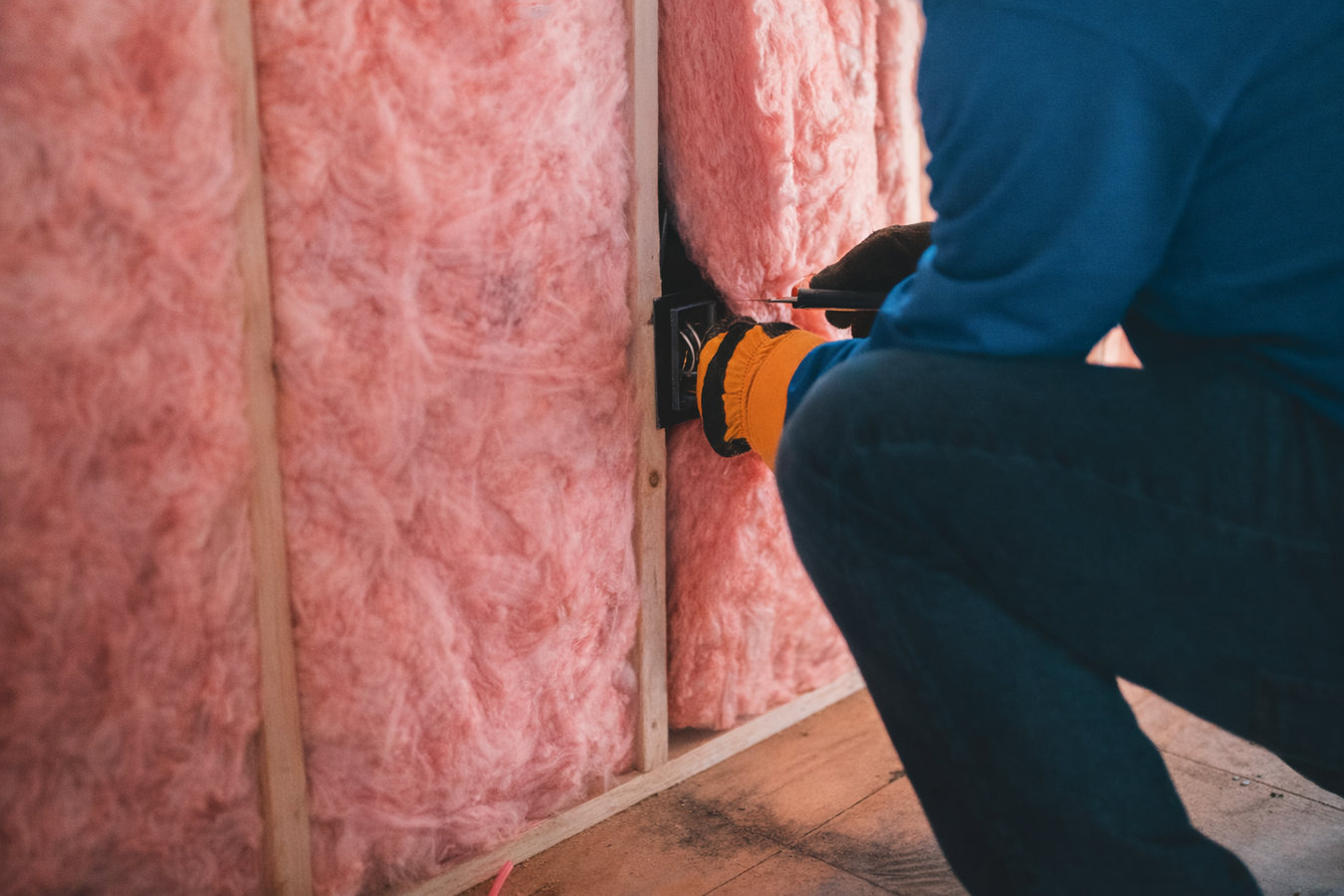
Attic insulation in San Jacinto acts as a thick thermal barrier between your living space and the scorching outdoor air - most jobs are complete in a single day and start working immediately. It slows heat transfer through your ceiling so your air conditioner does not have to run constantly to compensate for what is pouring in from above.
A large share of homes in San Jacinto were built in the 1970s through the 1990s, when insulation standards were much lower than today. Many of those homes were never properly insulated to begin with - and years of compression, dust from San Gorgonio Pass winds, and physical disturbance have reduced what little was there even further. If you have never had your attic inspected, there is a real chance you are living with a fraction of the coverage your home needs.
For most existing homes, blown-in insulation is the go-to choice because it fills gaps and odd-shaped spaces more easily. When an attic also has significant air leaks, we pair insulation with attic air sealing first - sealing gaps before insulating is the single biggest factor in whether you actually see savings on your bill.
If your house heats up fast in the morning and your AC runs almost nonstop during triple-digit San Jacinto days, your attic insulation is likely the culprit. Heat builds up in an under-insulated attic and radiates down through your ceiling, making your cooling system fight a losing battle no matter how low you set the thermostat.
Compare your SCE bills from June through September to what similar homes in the area pay. If your cooling costs seem unusually high for a home your size, thin or missing attic insulation is one of the first places a professional will look. Insulation problems compound over time as energy rates rise.
If you peek into your attic and can clearly see the wooden beams running across the floor, your insulation is almost certainly too thin for this climate. Properly insulated attics in San Jacinto should have insulation deep enough that the joists are completely buried - typically 10 to 15 inches depending on the material used.
Many San Jacinto homes built in the 1970s and 1980s were insulated to standards now considered inadequate. If your home is in that range and the insulation has never been upgraded, you are likely paying far more to cool it than you should be. A quick attic check will tell you where you stand.
We install blown-in and batt attic insulation across San Jacinto and the surrounding valley. Every job starts with an honest assessment - we measure what is already there, check for moisture or pest issues, and tell you exactly what needs to happen before we quote. We always seal air gaps first before insulating, because insulation alone cannot stop air from moving through holes around pipes, wires, and light fixtures.
We also help homeowners navigate SCE and SoCalGas rebate programs and provide the installation documentation you need to file your claim. If you are also dealing with contaminated or deteriorated material, our blown-in insulation service can add a fresh layer over adequately sealed existing material, or we can remove and replace entirely. We will tell you which approach makes more sense for your specific attic.
Best for existing homes - fills gaps and odd-shaped spaces better than pre-cut batts.
Pre-cut rolls suited for attics with clean, even joist spacing and easy access.
We seal gaps around pipes, wires, and fixtures first so new insulation performs as intended.
Pest-damaged, moldy, or heavily compressed insulation needs to come out before new material goes in.
San Jacinto regularly sees summer temperatures above 105 degrees, and the valley's inland location means there is no coastal breeze to moderate the heat. This makes attic insulation one of the highest-impact upgrades a homeowner here can make. The Department of Energy recommends an R-value of 38 to 60 for attics in this climate zone - most older San Jacinto homes have a fraction of that.
The strong winds that blow through the San Gorgonio Pass also push fine dust and debris into attic spaces through vents and small gaps over time, degrading existing insulation faster than in calmer climates. We regularly assess homes throughout the valley, including Beaumont and Banning, where the same climate and housing age create the same problems. For details on utility rebate eligibility, visit the SCE rebates page.
We ask about your home's age, size, and any issues you've noticed. We respond within 1 business day and schedule your free assessment at a convenient time.
We measure what is already there, check for moisture or pests, and assess air leaks. You get a written quote that reflects your actual attic - not a ballpark guess.
The crew seals air gaps first, then installs insulation to the correct depth. Most San Jacinto homes take two to five hours. Daily routine is mostly unaffected.
We leave small depth markers in the attic so you can verify coverage yourself anytime. We also provide the documentation needed for any SCE or SoCalGas rebate claims.
We respond within 1 business day with no obligation to proceed. After you submit, someone from our office calls to schedule a free on-site assessment at a time that works for you.
(951) 910-7091We provide the installation paperwork you need for SCE and SoCalGas rebate claims. You do not have to track down specs after the fact - we handle it before we leave.
Sealing gaps before insulating is the step most contractors skip. We do it on every job because it is the difference between insulation that works and insulation that disappoints.
Every crew member working on your home is experienced with San Jacinto attics, and we document each job with written scope and post-installation verification. You know exactly what was done from arrival to completion.
We work in this valley regularly and know the housing stock, the climate, and the SCE billing patterns that make attic insulation such a clear win here.
The North American Insulation Manufacturers Association recommends that attic insulation jobs include air sealing and depth verification. We follow those standards on every installation.
Loose-fill blown-in insulation for attics and wall cavities - fills irregular spaces and adds to existing material without major disruption.
Learn moreSealing gaps and penetrations in the attic floor before insulating - the step that makes the biggest difference in real-world energy savings.
Learn moreThe sooner you know what your attic actually has, the sooner you can stop overpaying for cooling. Call now or submit a request online.