
Loading...
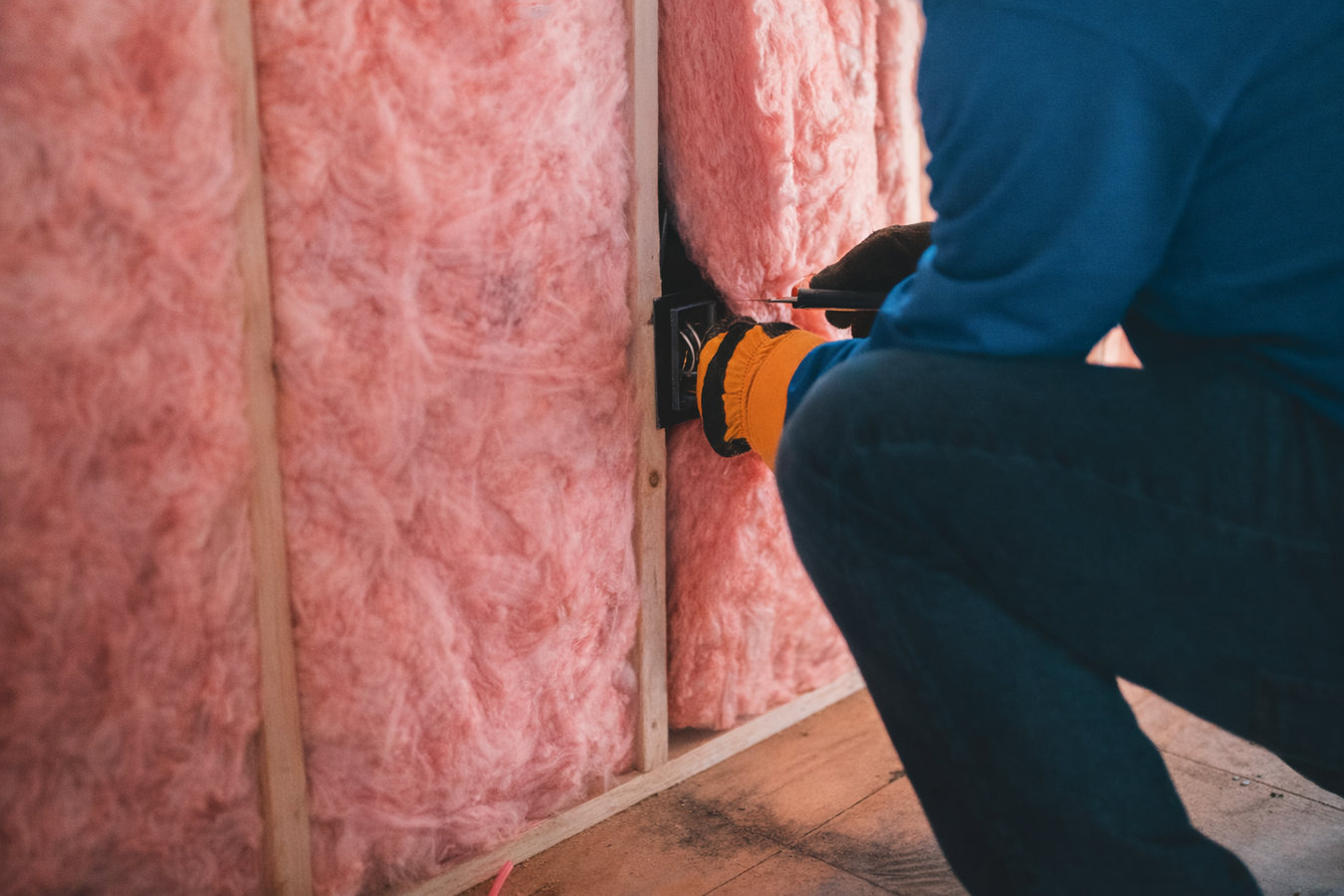
San Jacinto Insulation serves Banning, CA with attic insulation, crawl space insulation, and spray foam services designed for homes at 2,400-foot elevation in the San Gorgonio Pass. We reply within 1 business day and provide a written estimate before any work begins.
Sun Lakes homes built in the 1980s and 1990s were insulated to standards that have since been significantly revised upward by California. At Banning's elevation, that original thin coverage means attic temperatures climb fast on summer afternoons, and your air conditioner fights heat pouring through the ceiling all day. We assess depth and coverage before recommending anything, because adding the right amount matters as much as adding anything at all. For a complete look at what this service involves, visit our attic insulation page.
Banning winters bring overnight freezes from December through February, and pipes running through an uninsulated crawl space are vulnerable during those cold stretches. The freeze-thaw cycle - below freezing at night, warming during the day - also stresses floor structures from below in ways that flat-desert homeowners rarely experience. Crawl space insulation paired with a vapor barrier addresses both the cold-air intrusion and the moisture that can develop when temperature swings are this sharp.
The San Gorgonio Pass funnels wind events that regularly reach 40 to 60 miles per hour, and that kind of sustained pressure pushes air through gaps that ordinary insulation cannot stop. Spray foam seals and insulates in one application, making it the right answer for Banning homes where air infiltration compounds the insulation problem. It is particularly effective in older downtown-area homes and in homes along the windward side of neighborhoods that take the full force of pass-wind events.
Insulation slows heat transfer, but it cannot stop air moving through a gap. In Banning, where the pass wind regularly pressurizes homes, unsealed penetrations around pipes, wires, recessed lights, and the attic hatch become meaningful sources of conditioned-air loss. Sealing those gaps before new insulation goes in is what makes the finished job actually perform - and it is the step that separates a quality installation from one that just looks complete.
Blown-in loose-fill is the most practical way to top up an attic that already has some coverage but not enough - without pulling out what is already there. In Sun Lakes patio homes and older ranch-style homes near downtown, where attic layouts can be irregular, blown-in covers around obstructions that batt insulation leaves exposed. It holds its shape well in Banning's low-humidity climate and is available in both fiberglass and cellulose depending on your budget and the job.
Banning sits at about 2,400 feet in the San Gorgonio Pass, the mountain gap between the San Bernardino Mountains and the San Jacinto Mountains. That elevation creates a climate that most Southern California insulation contractors do not regularly work in. Summers push into the mid-90s to low 100s, which is hot enough to drive attic temperatures well above the ambient air and radiate heat into living spaces for hours after sunset. Winters bring overnight lows below freezing from December through February - real freeze-thaw cycles that crack stucco, stress concrete, and put pipes at risk in any crawl space that is not properly insulated and sealed. A contractor who only works in the warmer valley cities below the pass will not automatically account for both.
The wind that runs through the pass year-round adds a third variable that most inland cities do not share. Sustained gusts of 40 to 60 miles per hour are not rare events in Banning - they are a seasonal fixture. That wind pressurizes homes and drives outside air through any unsealed gap in the building envelope, undermining insulation that would otherwise perform well. Much of Banning's housing stock was built between the 1950s and the 1990s, including the large Sun Lakes Country Club community, where thousands of single-story patio homes and ranch-style houses are now 30 to 40 years old. Homes in that age range were built to insulation standards that have since been raised considerably, and many have never had an upgrade.
When projects require a permit, we coordinate with the City of Banning Building and Safety department directly. The homes we see most often here are single-story stucco ranch-style houses - some near the older neighborhoods along Ramsey Street and Hargrave Street downtown, and a large number in Sun Lakes Country Club, where patio-home layouts and shared-wall construction introduce specific access considerations that affect how insulation work is scoped. Sun Lakes homes also fall under HOA oversight, so we confirm in writing whether exterior elements are involved before any project starts.
Banning sits along Interstate 10, about midway between the San Bernardino Valley and Palm Springs. The wind turbines visible along the hills just east of town near the San Gorgonio Pass Wind Farm are there for a reason - the pass channels that much sustained energy through this area. Homes across Banning, from the streets near downtown to the Sun Lakes perimeter roads, share that same wind exposure regardless of where they sit in the city.
We also serve nearby Beaumont, which sits just to the west along the same pass corridor and shares Banning's elevation and wind conditions, and Redlands, a short drive west along Interstate 10 with its own mix of older neighborhoods and newer subdivisions.
Reach out by phone or through the contact form. We respond within 1 business day and ask a few basic questions - your home's age, square footage, and what has been prompting you to call. This helps us come prepared so the site visit is efficient.
We inspect your attic, crawl space, or wall areas in person before quoting. We measure existing coverage, check for moisture or pest damage, and look for unsealed penetrations. The estimate you receive is written and itemized - no surprises on install day. This is also where we discuss whether the project requires a permit and confirm what that adds to the timeline.
The crew arrives with equipment, seals air gaps first, then installs the insulation to the specified depth. For most Banning attic jobs, this takes two to five hours. You can be home during the work. If spray foam is part of the job, you will need to be out of the home for a few hours while the foam cures.
Before the crew leaves, we walk you through what was done and show you the finished coverage. If you are applying for a Southern California Edison rebate, we provide the documentation you need to submit your claim. Rebate programs have deadlines, so we make sure the paperwork is ready before we leave.
We serve Banning and the surrounding San Gorgonio Pass area. Written estimates, no obligation, and replies within 1 business day.
(951) 910-7091Banning is a city of about 30,000 people in western Riverside County, sitting at roughly 2,400 feet elevation in the San Gorgonio Pass along Interstate 10 - about 90 miles east of Los Angeles and 30 miles west of Palm Springs. The city covers about 23 square miles and is perhaps best known for Sun Lakes Country Club, a large 55-and-older gated community on the south side of town with thousands of single-story homes, golf courses, and its own clubhouse facilities. Sun Lakes was developed primarily in the 1980s and 1990s, and those homes are now in the age range when major systems - insulation, HVAC, roofing - need their first real attention. The older neighborhoods near downtown, along streets like Ramsey Street and Hargrave Street, have a more varied mix of housing, including some wood-frame and brick structures dating back to the early 1900s. Banning has historically been a stop along key travel routes, including the original Butterfield Overland Mail stagecoach line, and today it serves as a gateway city for travelers heading to and from the Coachella Valley. Most of the commercial activity is concentrated near the freeway, and many residents drive to nearby Beaumont or the Cabazon area for major shopping.
Banning is adjacent to several other communities we serve regularly. Neighboring Beaumont sits just to the west and shares Banning's pass-corridor climate and elevation. To the northwest, Redlands is a short drive along Interstate 10 and has its own large stock of older homes that benefit from insulation upgrades. Whether your home is in Sun Lakes, near downtown Banning, or on one of the residential streets in between, the pass-wind and elevation conditions are consistent across the city.
Expand and seal gaps with high-performance spray foam for superior air and moisture control.
Learn moreImprove energy efficiency and comfort by properly insulating your attic space.
Learn moreFast, seamless coverage using loose-fill material blown into attics and wall cavities.
Learn moreComprehensive whole-home insulation solutions tailored to your house and climate.
Learn moreSafe removal of old, damaged, or contaminated insulation before replacement.
Learn moreProtect your floors and foundation with properly installed crawl space insulation.
Learn moreReduce heat loss through exterior and interior walls with professional wall insulation.
Learn moreSeal drafts, gaps, and leaks throughout your home to stop conditioned air from escaping.
Learn moreKeep basements warmer in winter and cooler in summer with insulated walls and floors.
Learn moreHigh-density foam that delivers maximum R-value and a moisture-resistant air barrier.
Learn moreLightweight, flexible foam ideal for interior walls and hard-to-reach spaces.
Learn moreEnergy-saving insulation solutions for commercial buildings and industrial facilities.
Learn moreHeavy-duty plastic sheeting installed in crawl spaces to block ground moisture.
Learn moreProfessional vapor barrier installation to protect your home from humidity and moisture damage.
Learn moreSeal attic bypasses and penetrations to stop heated or cooled air from leaking out.
Learn moreAdd insulation to existing walls and structures without major renovation.
Learn moreCall San Jacinto Insulation or request a free written estimate - we serve Banning and the entire San Gorgonio Pass corridor.